



Owl shaped lime jar
It is an ancient pottery from the 1st century BC, currently housed in the Minneapolis Museum of Art in the United States. The shape is inspired by the design and reflects the special emotions and symbolic significance of the ancient people towards the owl, a nocturnal bird. In many cultures, owls are often associated with wisdom, mystery, or supernatural powers. Not only is it a practical container, but it is also a beautiful artwork. The production involves fine craftsmanship, perfectly combining practical functions with artistic decoration. By imitating the shape of an owl, this pottery showcases the ancient people's ability to observe the natural world and artistic creativity.
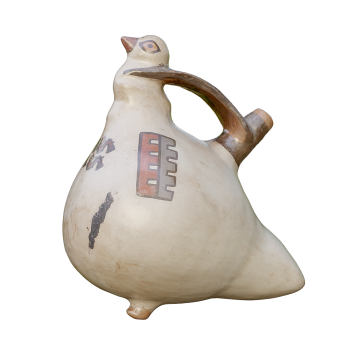
Bird shaped vessels at the Minneapolis Museum of Art in the United States
The bird shaped vessels made between 100 BC and 600 AD are now collected at the Minneapolis Museum of Art in the United States. It occupies an important position in ancient art, has practical functions, and often carries rich symbolic meanings and cultural values. The design reflects the ancient people's observation and imitation of the natural world, as well as their worship and respect for the characteristics of birds.. In many cultures, birds symbolize freedom, sky, spirit, or divinity, so these vessels may be used in religious ceremonies or as ceremonial objects to express social status. It showcases the superb skills of ancient craftsmen and allows us to glimpse the aesthetic taste and spiritual world of ancient society.

Bronze teapots and wine vessels from ancient China
The bronze teapot from the 5th century BC is an important ancient Chinese bronze wine vessel, currently housed in the Minneapolis Museum of Art in the United States. Belonging to the category of hunting scene pots, it is decorated with four main hunting scenes depicting people using spears, knives, and bows to hunt birds, deer, wild boars, and tigers. The depiction of human activities in bronze art represents a revolutionary transformation, in stark contrast to the strict symmetry and hierarchical sacred symbols and stylized animal patterns of the Shang and Zhou dynasties. The theme of this bronze pot seems to be more secular rather than religious, showing a side of social life at that time.

Popular Models
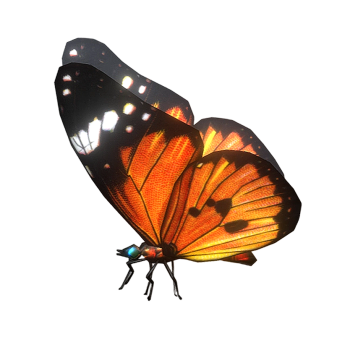
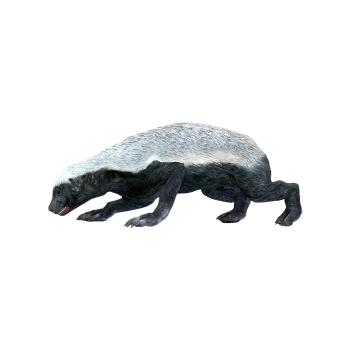
Honey Badger (3D animated model)
192 View
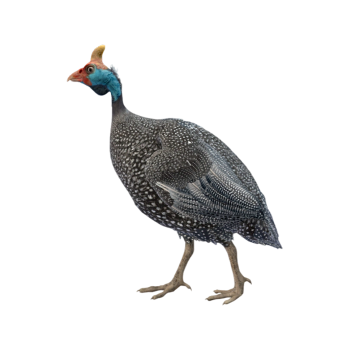
Guinea fowl (3D animated model)
163 View
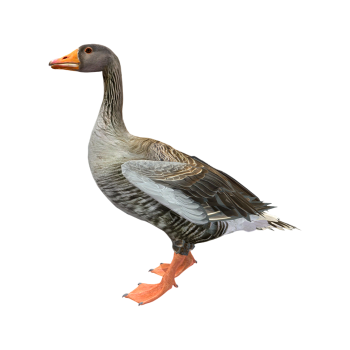
Wild Goose (3D animated model)
185 View
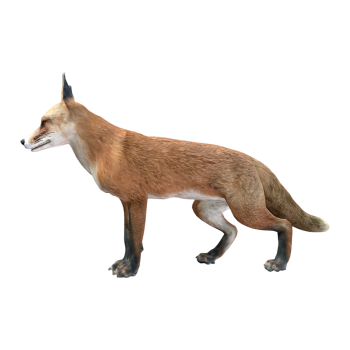
Red Fox (3D animated model)
153 View
Random Model

Iceland Go ð afoss Waterfall
956 View

3D model of electronic pipette
1363 View
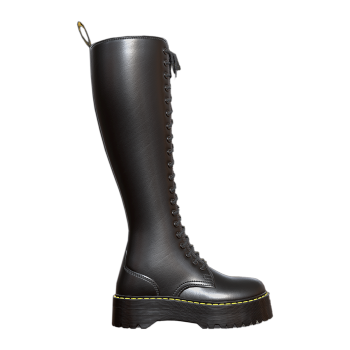
Dr. Martens leather high boots
1023 View

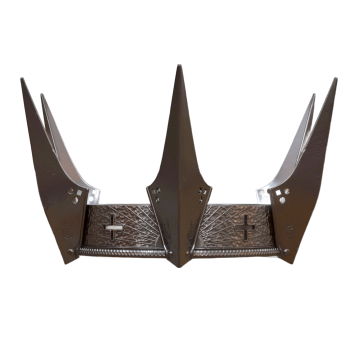
Night Crown (3D printable)
462 View

Female Four Toothed Large Crab
733 View

American Bullfrog 3D model animation
977 View

3D model of kumquat
947 View
Wallet 3D model
1309 View